


Best Booongo Online Casinos in Australia for 2026: What an Aussie Player Actually Faces
Somewhere in the search results, a list of “best Booongo casinos” sits next to another, and a third. They name offshore sites, sketch bonus ladders, and never mention the part that matters most for anyone in Australia: the Interactive Gambling Act 2001 makes it an offence to provide these games here. That page is the one this article is not. The studio name still gets used as a selling point by operators the ACMA has formally warned, and a reader looking for this information deserves to know what that combination actually means before it costs them anything.
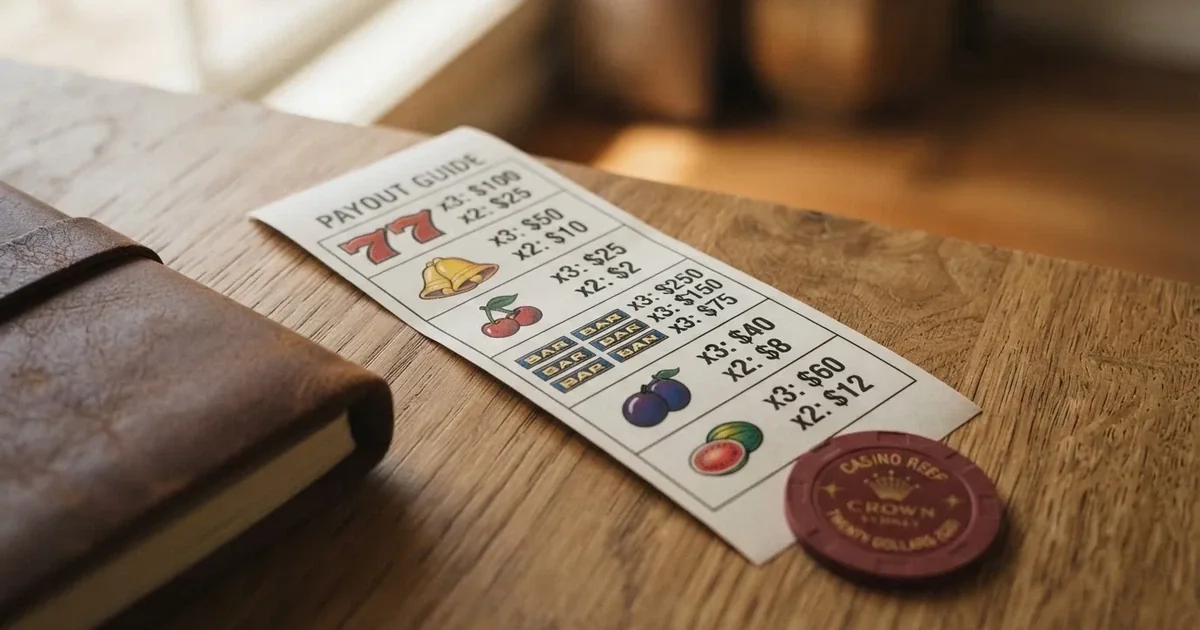
Current as of 8 November 2026 against the ACMA register and the ACMA’s own formal-warning publications.
Table of Contents
- Payments and Payout Speed for Booongo Casino Sites
- Bonuses and Free Spins at Booongo-Style Casinos
- Mobile Play and Apps for Booongo Casino Sites
- Booongo Slots: What the Games Actually Are
- Operator Landscape
- The Australian Legal Frame Around Booongo Casino Sites
- Responsible Play Around Booongo-Style Casinos
- What an Honest Booongo Casino Comparison Looks Like
- The Cost Reading the ACMA Numbers Does Not Show
- Frequently Asked Questions About Booongo Casinos in Australia
Payments and Payout Speed for Booongo Casino Sites
Banking is the place where the marketing pitch and the legal frame collide first. A licensed Australian wagering service takes debit cards, bank transfer, PayID/Osko and BPAY; credit cards, credit-related products and digital currency have been banned as payment methods for licensed online wagering since 11 June 2024, with operator penalties up to A$247,500. An offshore casino offering Booongo games is not operating under those rules. Many of them ask for a credit card or a crypto deposit. That is not a payment-method preference; it is a signal that the site is outside the Australian regime entirely.
Payout speed is the figure these brands tend to lead with: “instant withdrawals”, “crypto paid in minutes”, “under one hour”. The number itself is true often enough to be quotable. The number a reader actually needs sits behind it: how often does a withdrawal get refused, and what is the recourse when it does. An Australian-licensed wagering service answers to a state or territory regulator and, where the player has self-excluded, to BetStop. An offshore casino answers to no Australian body. A balance sitting on a blocked site is money the player cannot pursue through any Australian complaints channel.
The practical order of moving money into and out of an offshore casino site — for readers who want the mechanics, not the recommendation — runs like this: a deposit clears through whatever rail the cashier offers; playthrough requirements attach to most bonuses and must be worked through before a withdrawal; the site then runs its own internal review, which is where most refusals originate, citing bonus terms, identity verification or “irregular play”. That sequence is standard across the offshore market. What is not standard is anything after it: there is no Australian complaints body to escalate to, and a site that has already been warned by the ACMA has no incentive to handle a dispute differently from any other.
A reader comparing sites on payout speed should treat the headline figure as the best case, not the median. The median depends on the site’s own internal controls, which the player never sees.
Bonuses and Free Spins at Booongo-Style Casinos
A “Booongo casino bonus” or “free spins” headline is the first thing most of these sites put on the page, and it is also the place where the offer’s real cost is hidden deepest. The shape is familiar across the offshore market: a welcome package that matches a percentage of the first deposit, sometimes stretched across the second and third, with a bundle of free spins on one named slot attached. The numbers vary. The mechanics do not.
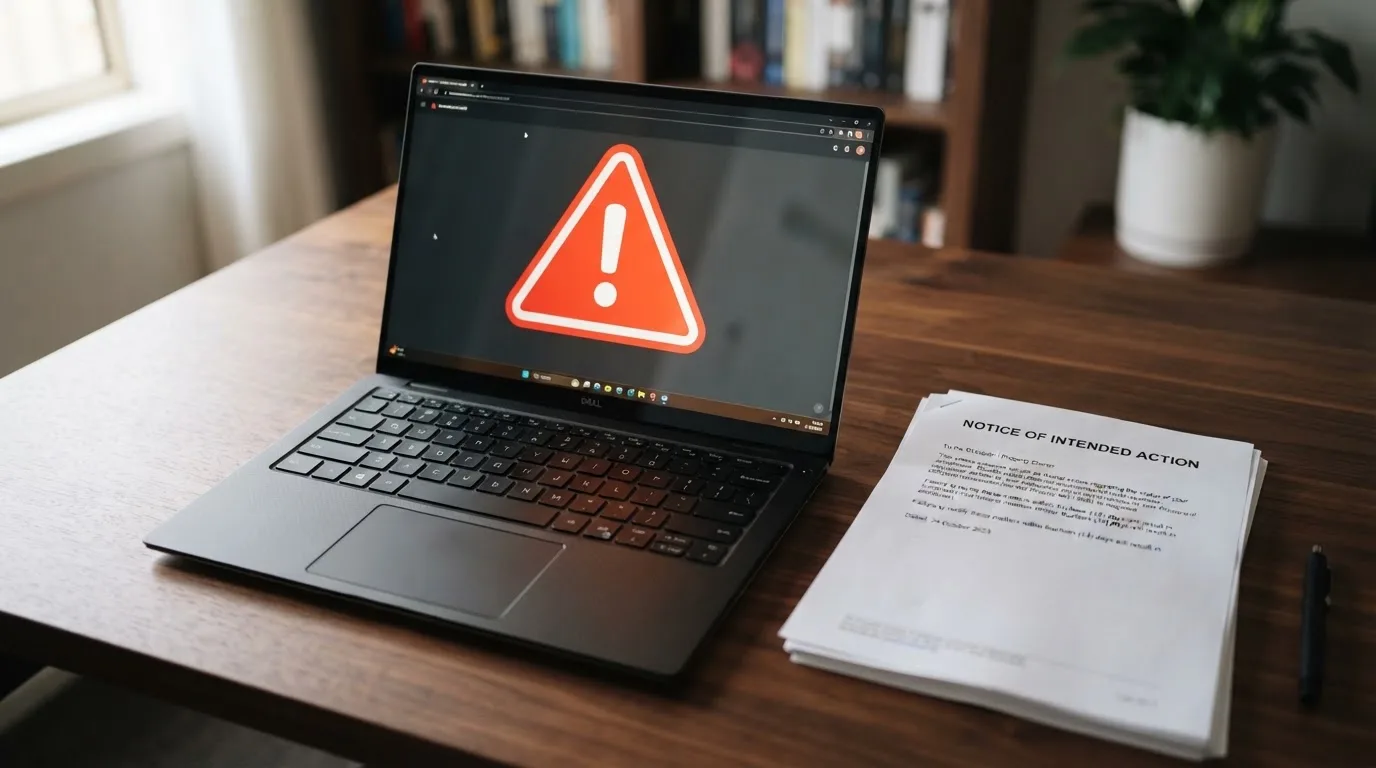
Two mechanics govern what an offer actually costs the player. The first is the wagering multiple — how many times the bonus, or the deposit plus the bonus, has to be turned over before any of it can be withdrawn. Multiples of thirty to forty on the bonus alone are standard; higher figures are common on free-spin winnings, where the playthrough can run on the spin value rather than the deposit. The second is the maximum-cashout cap: a ceiling on what can be withdrawn from bonus-derived winnings, which is independent of how much the player wins during the playthrough. A spin win of A$1,200 on a capped bonus can pay out a fraction of that.
Skepticism is the right default here. The marketing language (“boost”, “mega”, “explosive”, “unleash”) describes the headline number, not the cost of clearing it. The cost is the wagering multiple times the bonus, in turnover, at a house edge that does not disappear because the player is “playing with bonus money”. A reader who runs that arithmetic before claiming is the reader who keeps the bonus from costing more than it pays.
For an Australian audience specifically, the framing matters more than the individual figures. An offer is not something to “try out” on a site that the ACMA has already formally warned over offering the same product. The bonus is the entry point, and the entry point is what enforcement notices tend to follow.
Mobile Play and Apps for Booongo Casino Sites
A “Booongo casino app” is the second-most-common thing these sites advertise, after the welcome bonus. Most modern offshore casinos are built in HTML5, which means the same game library renders in a mobile browser without a separate download. A few do publish native apps for iOS and Android, distributed through the operator’s own site rather than through the Australian app stores — Google Play and Apple’s App Store do not carry real-money casino apps in this market.
The practical distinction between a browser-based mobile casino and a native app is small. The HTML5 build handles the same games, the same paytables, the same bonus mechanics. Where an app does add something, it is usually push notifications for promotions and a slightly faster cold-start, neither of which changes what the player is doing or what it costs them. Where the browser build is honestly equivalent, the app exists mostly as a retention mechanism: a permanent icon on the home screen is worth more to the operator than the technical difference is worth to the player.
What does not transfer between desktop and mobile is the bankroll management discipline. A phone session is shorter, faster, and harder to pause. The “play anywhere” pitch is real; the cost of “play anywhere” is also real, and it is borne entirely by the player.
Booongo Slots: What the Games Actually Are
Booongo Entertainment was a slot studio that ran through a 2021 restructuring into the brand now called 3 Oaks Gaming. The catalog that still travels under the Booongo name — Sun of Egypt, 3 Hot Chillies, Coin Volcano, Hold and Win series — is now published by 3 Oaks and licensed out to operators through the usual aggregator channels. On 9 February 2024 the UK Gambling Commission granted 3 Oaks Gaming a remote operating licence under number 063055-R-338209-005, with the company operating from Douglas, Isle of Man as Green Rock Ltd. The Malta Gaming Authority followed on 4 August 2025 with a recognition notice, after earlier approvals in the UK, Portugal and Romania. More than fifty 3 Oaks titles have been UK-certified, including 3 Pots of Egypt, Storm of Olympus, 777 Fruity Classic and Hawaii Riches.
What this means for an Australian reader is that the studio itself is regulated in several serious jurisdictions, and the games are not some anonymous grey-market product. They are certified, tested and audited. The product the studio sells is legitimate. The way it reaches an Australian player — through an offshore casino that the ACMA has warned — is the part that is not.
The paytable mechanics of a 3 Oaks / Booongo-style slot are conventional for the Hold and Win genre: a base-game spin on a five-reel layout, bonus symbols that trigger a hold-and-respin round when enough land at once, fixed jackpot tiers above the bonus feature, and a free-spin mode that retriggers from inside itself. The “3D” label some catalogues still use on these titles refers to the rendering of the bonus symbols, not to any extra reel or payline — a player who has not seen one before will recognise the format within a few spins.
The paytable itself shows the player what each symbol pays at the chosen stake, the rules for the bonus triggers, and the contribution of each symbol type to the special features. A paytable is not a strategy guide. What it does tell a reader is the volatility band and the house edge, and a slot with a published RTP below 96% is costing the player more per spin than one above it. Most 3 Oaks-published figures sit in that neighbourhood; specific titles vary, and the exact figure should be checked on the studio’s own game page before any commitment of bankroll.
For readers who came to this page looking for “best paying Booongo slots”: the answer the paytable gives is a per-spin cost, not a guarantee. Higher volatility widens the range of outcomes session to session and tightens it over thousands of spins. A high-volatility slot pays less often and pays more when it does. A low-volatility slot pays more often and pays less when it does. Neither is “better”; both cost about the same per spin over a long run.
Operator Landscape
The brands below appear here because the Australian Communications and Media Authority has issued a formal warning over each of them for offering prohibited interactive gambling services to people in Australia. The Interactive Gambling Act 2001, strengthened in 2017, makes that provision an offence. None of the eleven carries an Australian licence for online casino games — no state or territory issues one. The warning publication from the ACMA, naming the operator behind each brand, is the basis for each entry. Subject support — whether the brands’ own public-facing pages list a particular provider — is recorded as research found it, with the listing names attached.
| Brand | ACMA action and date | Operator named by the ACMA | Subject support |
|---|---|---|---|
| RocketPlay | Formal warning, March 2026 | Pulsup Ltd (Rocketplay.com.au); earlier Dama N.V., May 2022 | — |
| Level Up Casino | Formal warning, May 2022 | Dama N.V. | Listed by Wazdan among partners |
| Woo Casino | Formal warning, March 2025 | Dama N.V. | — |
| Spirit Casino | Formal warning, May 2025 | Dama N.V. | — |
| National Casino | Formal warning, July 2025 | Consolutetish S.R.L. | Listed by Betsoft, the Pragmatic Play public materials and Wikipedia’s coverage of Pragmatic Play |
| Bizzo Casino | Formal warning, July 2025; earlier 2022 | Consolutetish S.R.L.; earlier TechSolutions (CY) Group Limited and TechSolutions Group N.V. | — |
| Ignition Casino | Formal warning, July 2025 | Bamboo Media | — |
| Instant Casino | Formal warning, February 2025 | EOD Code SRL | — |
| Jackbit | Formal warning, April 2026 | Ryker B.V. | — |
| Casino Intense | Formal warning, April 2025 | Sterplay Holding Ltd | Listed by 1spin4win, by Wikipedia, and by the UK Gambling Commission register |
| Sky Crown | Formal warning, September 2022 | Hollycorn N.V. (Sky Crown and Blue Leo) | — |
The spread is the point. The ACMA has acted against a Curaçao-licensed operator behind RocketPlay in the same year it acted against a different Curaçao entity behind Jackbit. The ACMA has acted against Dama N.V. in 2022 and 2025, naming overlapping brands. The pattern is not one rogue operator; it is the offshore casino model as it reaches this market, regardless of whose name is on the licence at the other end.
RocketPlay
Pulsup Ltd is the entity the ACMA named in March 2026, with Dama N.V. on the earlier warning from May 2022. The brand has been the subject of an enforcement notice, then changed hands, then been named again — a sequence that says less about any one operator than about how easy the structure is to continue under. What a reader should know before approaching this brand is that it has been the subject of two formal ACMA actions for offering prohibited products to Australians, and that the offshore licence the site displays is not an Australian licence.
Level Up Casino
Dama N.V. is the operator behind the May 2022 warning. The Wazdan partner page lists Level Up among Wazdan-carrying operators, which is what listings-only means: it confirms the brand sits in the Wazdan distribution network, not that any specific offer on the site is suitable. The brand has been on the ACMA’s list for four years, which is longer than most.
Woo Casino
Dama N.V. took the March 2025 formal warning for Woo Casino, and a separate May 2025 warning for Spirit Casino. The two warnings cover the same operator, issued in consecutive months, naming two different brands under the same corporate umbrella. That is the kind of pattern the ACMA’s enforcement is designed to surface.
Spirit Casino
Same operator as Woo Casino, different brand, one month later in the warning cycle. The fact that the ACMA named the same Dama N.V. entity twice in two months tells a reader that the warning is about the operator, not the brand label.
National Casino
The July 2025 warning named Consolutetish S.R.L. as the operator. The brand’s presence in Betsoft’s partner listing, in Pragmatic Play’s public materials and in Wikipedia’s entry on Pragmatic Play confirms what these listings-only entries confirm: that the brand is connected to the mainstream aggregator network, not that any of it is appropriate for an Australian reader.
Bizzo Casino
Two formal warnings, four years apart. The July 2025 warning names Consolutetish S.R.L.; the 2022 warning named TechSolutions (CY) Group Limited and TechSolutions Group N.V. Either the brand has changed hands in the interim, or the same operation has continued under a different corporate wrapper. ### Legal vs Illegal Markets
| Market Sector | Licensed in Australia? | Regulator | Recourse |
|---|---|---|---|
| Licensed Wagering | Yes | State/Territory (NTRWC) | Yes (BetStop, Complaints) |
| Offshore Casino | No | None | None |
Ignition Casino
Bamboo Media is the operator behind the July 2025 formal warning. Ignition is a name that has been on offshore lists for years under varying corporate arrangements. The 2025 warning is the most recent ACMA action against the brand as it currently presents.
Instant Casino
EOD Code SRL took the February 2025 warning. The “instant” in the brand name is a marketing claim, not a licence category, and the warning covers the same product the marketing claim is selling.
Jackbit
Ryker B.V. is the operator behind the April 2026 formal warning, alongside a sibling brand CasinOK. The brand sits in a part of the offshore market that names itself after its banking — crypto-led, fast withdrawal — and the ACMA’s action sits in the same part of the market.
Casino Intense
Sterplay Holding Ltd is the entity behind the April 2025 warning. The brand’s footprint in the broader iGaming listings ecosystem is wider than most of the others on this list — 1spin4win, Wikipedia and the UK Gambling Commission register all carry the brand — which is the listings-only signal: connected, distributed, not appropriate for this market.
Sky Crown
Hollycorn N.V. took the September 2022 formal warning covering Sky Crown and Blue Leo together. The Hollycorn group is one of the larger Curaçao-licensed operators in the offshore market, and Sky Crown has been on the ACMA’s list the longest of the eleven.
The repeated fact across all eleven is the line that closes each entry: online casino games cannot be licensed anywhere in Australia. That is what the ACMA’s enforcement is built around. The brand-level differences are smaller than the structural fact.
The Australian Legal Frame Around Booongo Casino Sites
The Interactive Gambling Act 2001, as amended in 2017, makes it an offence to provide online casino games, online pokies or in-play betting to a person physically in Australia. State and territory regulators do not licence these products. What is licensable is wagering on races and sport placed before the event, lotteries and keno — and even there, the practical licensing home is the Northern Territory, where the Northern Territory Racing and Wagering Commission oversees fifty-two of the country’s online bookmakers, including Sportsbet, Bet365 and Ladbrokes. The NTRWC runs without full-time staff and meets monthly in Darwin.
The player is not the target of the IGA. The Act’s penalties attach to the provider. The reader’s exposure runs through the absence of protection: no Australian complaints body has jurisdiction over an offshore casino, no local regulator can compel a payout, and a balance sitting on a site the ACMA has directed ISPs to block is, for practical purposes, gone. The Interactive Gambling Amendment (Gambling Reform) Bill 2026 passed Parliament on 19 August 2026, with its advertising and inducement measures commencing 1 January 2027 — law with a start date, not yet in force for a reader acting on this page.
H2 Gambling Capital’s 2025 report puts annual losses to illegal offshore gambling sites at roughly A$3.9 billion and tracks the share of gambling going through legal channels falling from 74% in 2021 to 64%. The headline number is the cost. The trend underneath it is the share migrating away from the regulated market toward offshore operators like the eleven named above.
Enforcement runs through the ACMA, which investigates complaints, issues formal warnings and can direct Australian internet service providers to block offending sites. As of June 2026, the ACMA’s blocking request total stood at 1,751 illegal gambling and affiliate marketing websites, with more than 230 unlicensed gambling services having left the Australian market since enforcement was strengthened in 2017. A June 2026 round alone added twelve sites to the block list — 7Signs, ChromaBet, Donbet, Duospin, Freshbet, Slots Gem, Jacks Club, Lucky Start, Pointsbetz.com, Spinrise, Vinyl Casino and Wildsino. The pace has not slowed.
The payment side closes the loop. Credit cards, credit-related products and digital currency have been banned as payment for licensed online wagering since 11 June 2024, with operator penalties of up to A$247,500. The legal deposit routes — debit card, bank transfer, PayID/Osko, BPAY — are not what an offshore casino tends to offer. A cashier screen asking for a credit card or a crypto deposit is not a payment-method preference; it is a marker that the site sits outside the Australian regime. The IGA does not require an Australian player to refuse the deposit, but the deposit is the point at which the offshore model becomes the reader’s problem rather than the operator’s.
Responsible Play Around Booongo-Style Casinos
For readers who already play, or who are weighing the choice, the responsible-play side of this market is thinner than the marketing side. BetStop, the National Self-Exclusion Register, has been live since August 2023, but it binds only Australian-licensed online and phone wagering services — and online casino games and online pokies are not licensable in Australia at all. A self-exclusion through BetStop covers licensed bookmakers, lotteries and keno. It does not cover the eleven brands above, because none of them is an Australian licensee.
That leaves the help lines as the load-bearing piece. The National Gambling Helpline — 1800 858 858 — is free, runs around the clock and connects to Gambling Help Online, where chat and email counselling are also available. The counselling is confidential, the call is free, and the line does not require the caller to be in any particular state of play to be worth calling. A reader who has begun to notice the gambling taking more time, more money or more headspace than they meant it to is the reader the line is built for.
The marketing language of the offshore market does not include the help line. The welcome bonus, the free spins, the “instant withdrawal” — none of these read alongside 1800 858 858, because none of them are written for the reader the line serves. The contrast is the most useful frame this page can offer: where one set of pages asks for a deposit, the other asks for a call. The choice between them is not one the casino comparison settles; it is the only comparison a reader needs.
What an Honest Booongo Casino Comparison Looks Like
A genuine comparison of Booongo-style casinos, for any audience, would weigh three things: the studio’s reputation, the operator’s licensing and the offer’s terms. The first is settled — 3 Oaks Gaming holds a UK Gambling Commission licence, an MGA recognition notice and prior approvals in Portugal and Romania. The third is settled by the offer’s own terms — wagering multiple, maximum cashout, eligible games. The middle one is where the comparison breaks for an Australian audience, because the answer is fixed in advance.
In Australia, no online casino carrying Booongo or 3 Oaks content is licensed to operate. Any site offering these games to a player in Australia is operating outside the Act. The warning list above is not a list of outliers; it is a sample of the offshore market as it reaches this country. The ACMA has acted against Dama N.V. brands in 2022 and 2025, against Hollycorn in 2022, against Consolutetish S.R.L. in 2025, against EOD Code SRL in 2025, against Sterplay in 2025, against Bamboo Media in 2025, against Ryker B.V. in 2026, against Pulsup Ltd in 2026. The pace is once or twice a month. The operators are different; the structure is the same.
A reader who has decided to play anyway will not find an Australian-licensed venue and will not find a comparison that places one brand meaningfully above another in regulatory terms. What separates the brands is the offer’s specific terms, the cashier’s specific rails, and the brand’s specific history of refused withdrawals — none of which research covers in a way that supports a recommendation, and all of which the ACMA register already contextualises. The honest comparison for an Australian reader is the comparison that ends before the casino choice, not the one that pretends the choice is still open.
The Cost Reading the ACMA Numbers Does Not Show
The ACMA’s enforcement statistics describe the scale of the offshore market reaching Australia. They do not describe what the market costs the people in it. H2 Gambling Capital’s A$3.9 billion estimate is the macro figure: the total annual losses flowing out through illegal sites. The micro figure — the individual player’s balance on a blocked site, the individual withdrawal that does not clear, the individual dispute with no Australian body to escalate to — sits behind the macro figure and is not in any register.
A reader who treats the ACMA’s warning list as a “brands to avoid” list is reading it as a consumer guide. It is not. The Act prohibits the product, not just the bad versions of it. The brands the ACMA has not yet warned over are not safer brands; they are simply less-acted-against brands, and the ACMA’s enforcement record shows that the warning is a function of who the ACMA has investigated, not of who is offering the product.
The cost the statistics do show is the trend: the legal channel’s share falling from 74% in 2021 to 64%, with the gap migrating to offshore operators. That is not a market share figure; it is a protection figure. The legal channel carries BetStop, an Australian complaints body, and a regulator who can compel a payout. The illegal channel carries none of these. The trend is the share of Australians who have moved from the protected channel to the unprotected one, and the figure behind it is the number of Australians now playing outside the regime the IGA was written to maintain.
Frequently Asked Questions About Booongo Casinos in Australia
Is Booongo itself an operator, or just a game studio that supplies content to sites?
Booongo is the studio name. It now operates as 3 Oaks Gaming after a 2021 restructuring, with the company running from Douglas, Isle of Man as Green Rock Ltd. The studio supplies slot content to operators through aggregators and does not run a casino of its own; what an Australian player sees labelled “Booongo” is an offshore casino licensing the studio’s games.
Can Booongo titles be played for real money at any licensed Australian casino?
No. Online casino games and online pokies cannot be licensed in any Australian state or territory under the Interactive Gambling Act 2001. Every site offering Booongo or 3 Oaks content to an Australian player is an offshore operation outside the Australian regime, regardless of the licence the site displays.
How does a Booongo slot typically differ from other studios’ games in its paytable?
The Booongo / 3 Oaks catalogue sits in the Hold and Win genre: a five-reel base game, a hold-and-respin bonus triggered by enough bonus symbols, fixed jackpot tiers above the feature, and a free-spin mode that retriggers from inside itself. The “3D” label on some older titles refers to symbol rendering, not extra reels. Per-spin cost depends on the title’s published RTP and volatility band, both of which vary across the catalogue.
Does Booongo operate its own casino, or license its games to other operators?
Booongo / 3 Oaks licenses its games to operators through aggregators. The studio holds a UK Gambling Commission remote operating licence from 9 February 2024 under number 063055-R-338209-005, an MGA recognition notice from 4 August 2025, and prior approvals in Portugal and Romania. The licensed distribution channels run to operators in regulated markets; the path to an Australian player runs through offshore operators that the ACMA has acted against.
Why do offshore casinos highlight Booongo as a selling point to Australian visitors?
The studio’s name carries a quality signal in the aggregator network — UK-certified, MGA-recognised, large catalogue — and the offshore market uses that signal to imply a level of regulation the site itself does not have. A reader who follows the implication through to the licence the site actually displays will find an offshore licence from Curaçao or a similar jurisdiction, not the Australian licence the framing suggests. The name is being borrowed, not earned.
Is it legal for a site to offer Booongo games for real money to people in Australia?
It is an offence under the Interactive Gambling Act 2001 for a provider to offer online casino games to a person in Australia. The Act targets the provider, not the player. The Australian-licensed alternatives for online gambling are wagering on races and sport placed before the event, lotteries and keno. Any site offering Booongo content to an Australian player is operating outside the Act, and the ACMA’s formal-warning list names the operators behind those sites.