

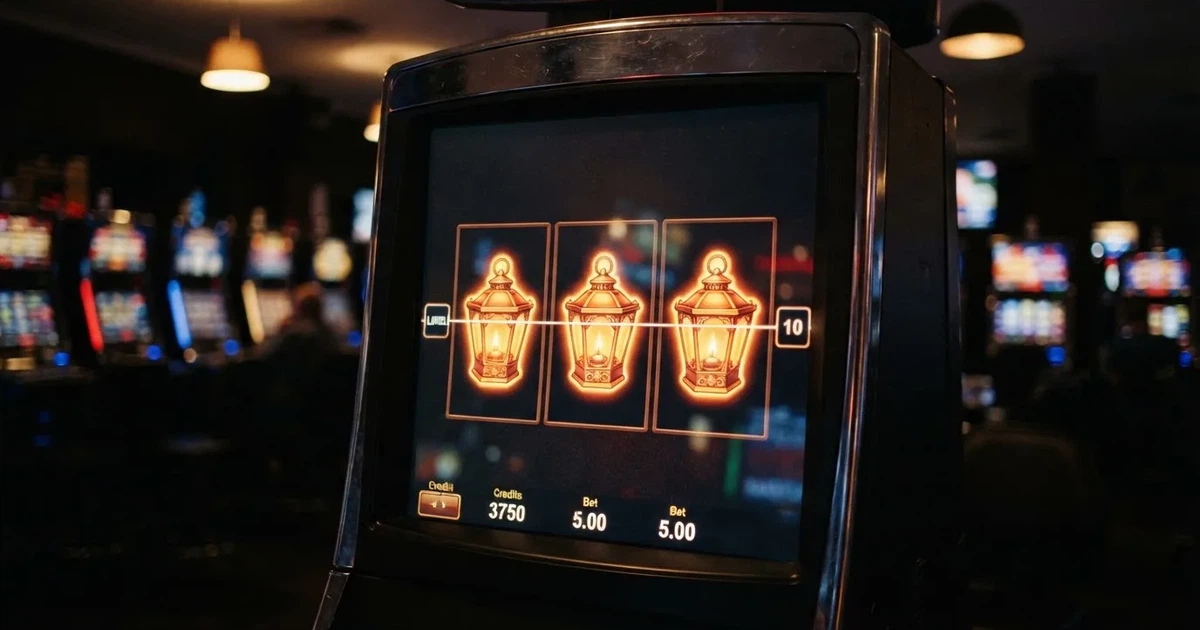
Real Money Pokies Australia App: What an Offshore App Actually Costs an Australian Player
The marketing for a real money pokies app is built around two words — “real money” — and the rest of the offer is dressed around them. The player reads past the bonus figure, past the free spins count, past the slick mobile screenshots, and lands on the deposit button. What sits between those two points is the subject of this page: the cost a person in Australia pays for chasing that offer, and the legal frame an offshore app is operating inside when it pitches itself at Australians.

The material below is current as of 29 October 2026, with licence claims verified against the Australian Communications and Media Authority register of formal warnings and blocking actions.
A real money pokies app is, in plain terms, a smartphone application that takes deposits and pays out cash winnings on pokies-style slot games. In Australia, the activity the offshore marketing calls “playing” is the activity the Interactive Gambling Act 2001 calls providing a prohibited interactive gambling service to a person in Australia. That is the first cost, and it sits on top of everything else a bonus offer might charge — the wagering multiple, the max-cashout cap, the deposit method, the withdrawal time. The reader’s choice is whether to pay it.
See also Bonuses.
Table of Contents
- How Australians Actually Pay on a Real Money Pokies App
- How a Pokies App Behaves on a Phone Touchscreen
- The Featured Set: What the ACMA Has Actually Said
- Landscape Table: ACMA Warnings Against Featured Brands
- The Regulatory Enforcement Timeline
- What the Bonus Number Actually Costs
- What an Australian Reader Should Know About BetStop
- Where the Real Money Pokies Offer Sits in the Bigger Australian Picture
- The Offshore Loss Picture
- The Enforcement Shape in 2026
- The Reader’s Decision
- Frequently Asked Questions About Real Money Pokies Apps in Australia
How Australians Actually Pay on a Real Money Pokies App
The page about a real money pokies app tends to lead with bonus size. The page about what an offer actually costs an Australian leads with the payment rail — because the rail is the first thing the ACMA’s June 2024 payment rules touch, and the first thing the offshore app either respects or ignores.

A licensed Australian wagering service can only take money through specific channels. The June 2024 reforms banned credit cards, credit-related products and digital currency as payment for licensed online wagering; what remains is debit card, bank transfer, PayID through Osko, and BPAY. An offshore pokies app pitching at an Australian will routinely ask for the very instruments the local rules forbid — credit card top-ups, USDT or Bitcoin deposits — and the request is itself a tell. The site is operating outside Australian rules. If the balance later sits inside a site the ACMA has directed ISPs to block, the same rail that took the deposit is the rail that has no Australian consumer protection behind it.
A licensed Australian operator, for comparison, has nowhere to hide: a debit card transaction routes through an Australian-licensed deposit-taker, the holder of an A$100 limit is the holder of an A$100 limit, and a complaint goes to a regulator that can compel a payout. The offshore app presents none of those backstops. Its payment page is, structurally, the only enforcement mechanism an Australian player has, and the page itself instructs the player to use the rails the Australian regulator has just banned.
The withdrawal side is the same picture from the other end. The offshore app lists withdrawal methods on a help page; the licensed wagering service has to. A licensed bookmaker’s payout terms sit inside a regime that records the transaction, names the recipient, and gives the holder a complaints route if the payout does not arrive. An offshore site’s payout terms sit on a webpage the ACMA can direct an Australian ISP to block, with whatever balance the player left on the other side of it.
How a Pokies App Behaves on a Phone Touchscreen
A pokies app is built for thumb-and-index-finger play. The spin button is reachable without shifting grip, the bet adjuster sits inside the same thumb arc as the spin button, and the balance indicator is a corner element that does not require the player to leave the screen. A mobile browser route through Safari or Chrome gives up some of that — the browser chrome eats a strip of the screen, the orientation lock is less reliable, and the page can drift toward a deposit prompt in a way a downloaded app tends not to. The difference is real, and it is one of the reasons offshore apps exist as apps rather than as mobile sites.
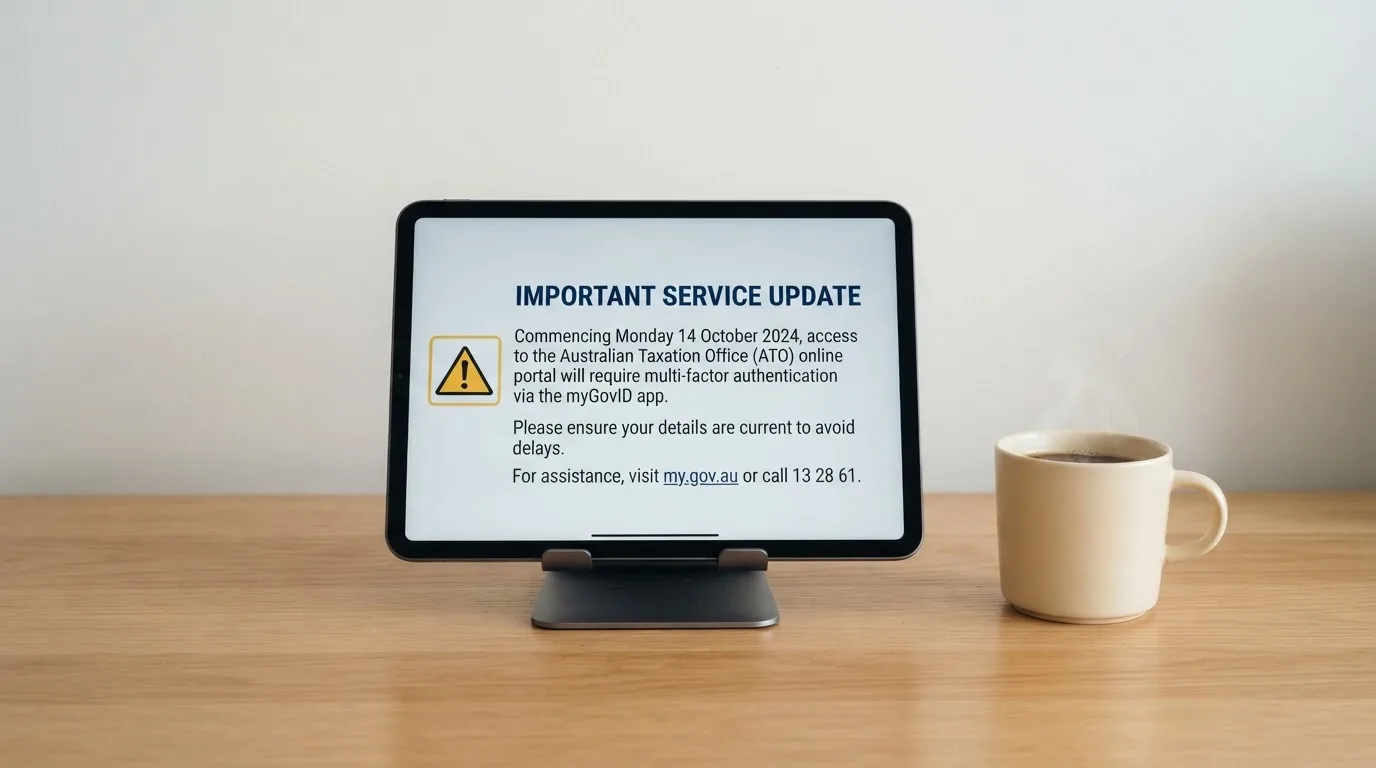
The other reason is the App Store and Play Store policies. Apple has long refused to host real-money gambling apps in its Australian App Store outside approved categories; Google has tightened and loosened its real-money-gambling policy in cycles. When those stores refuse a category of app, the operator pushes the player toward a sideload — an APK from the operator’s own site, or a wrapper app that boots into a mobile browser tab. Sideloading an APK from an offshore casino onto an Android phone is, mechanically, a download of an unsigned binary the phone’s own security has flagged as coming from an unknown source. The install path is the warning. The app does not behave differently from the browser version once loaded, and it carries the same legal frame.
For an Australian reader, the mobile-experience question collapses into one: the offshore app is a wrapper around the same website the ACMA can block, on the same payment rails the ACMA has restricted, running the same pokies titles that sit under the same offshore licence as the desktop version. The “app” framing is a marketing layer over an underlying product that is itself prohibited for Australians. The convenience of the touchscreen does not change the legal position of the deposit.
The Featured Set: What the ACMA Has Actually Said
The eleven brands below are not a ranking. Each appears because the ACMA has, in its own publication, issued a formal warning over it for offering prohibited interactive gambling services to Australians. The order below follows the ACMA’s own record of those warnings, not any claim about game quality, payout speed or bonus generosity. The verdict on each is a verdict the ACMA has already issued.
RocketPlay — Two Warnings, Eight Years Apart
The Australian Communications and Media Authority issued a formal warning to Pulsup Ltd over RocketPlay in March 2026, and an earlier warning to Dama N.V. covering RocketPlay and five other brands back in May 2022. The brand has had its offshore licence display for both periods, has had its Australian-facing URL for both periods, and has continued to take deposits from Australian-issued cards across the same window. Two formal warnings from the same regulator, four years apart, on the same operator identity — that is the ACMA’s own paper trail on RocketPlay. The Australian reader looking at the brand today is looking at the second entry in that file.
Level Up Casino — The First Round of the 2022 Cluster
Level Up Casino sits inside the May 2022 cluster of six Dama N.V. brands the ACMA warned together: Bambet, Dazard, Level Up, Rocketplay, Wild Tornado and Cobra Casinos. The cluster shape matters: a single operator identity under multiple brand names, warned in a single notice. The cost to the Australian reader is the same as it is for any brand in that set — the offshore licence the brand displays does not bring the operator inside Australian consumer protection law, because no Australian regulator licenses online casino games. The brand’s listing history on third-party game-provider sites does not change that, because those listings are commercial affiliations, not regulatory approvals.
Woo Casino — The March 2025 Warning
The ACMA issued a formal warning to Dama N.V. over Woo Casino in March 2025, the first of two 2025 actions against Dama N.V. brands. The four-year gap between the May 2022 cluster and the March 2025 action is the regulator’s working pace: a formal warning is not a one-off, it is a published step inside an ongoing enforcement file. A reader looking at Woo Casino in 2026 is looking at an operator whose most recent published entry on the ACMA’s register is dated within the last twelve months.
Spirit Casino — The Second 2025 Dama N.V. Action
Two months after the Woo Casino warning, in May 2025, the ACMA issued a further formal warning to Dama N.V. over Spirit Casino. The pairing — two warnings to the same operator identity in two months — is itself a data point: the ACMA’s register records Dama N.V. as a repeat subject, and the brand’s offshore licence is unchanged across both entries. The Australian reader looking at Spirit Casino is looking at the second of two recent warnings to the same operator.
National Casino — The July 2025 Round
The ACMA issued a formal warning to Consolutetish S.R.L. over National Casino in July 2025, in the same notice round that covered Bizzo Casino. The notice round is a published event with a named operator identity, a named date, and a named brand: the regulator’s register is not abstract about National Casino’s status. Wikipedia and other reference sources list National Casino as a recognised brand name in the offshore casino category — that recognition is a commercial fact, not an Australian regulatory one.
Bizzo Casino — Two Warnings, Two Operators
Bizzo Casino sits inside the July 2025 Consolutetish S.R.L. warning, and inside an earlier 2022 warning to TechSolutions (CY) Group Limited and TechSolutions Group N.V. Two warnings, two different operator identities, the same Australian-facing brand. The ACMA’s register on Bizzo Casino runs across both entries, and the brand’s offshore licence display has continued through both. An Australian reader comparing two real-money pokies offers is comparing, in this case, an offer from a brand whose own regulator-issued file lists two separate operator identities behind the same logo.
Ignition Casino — The Other Half of the July 2025 Round
The July 2025 ACMA round paired Consolutetish S.R.L. with a separate warning to Bamboo Media over Ignition Casino. Ignition’s earlier Australian-facing presence ran through a different operator identity and a different period; the 2025 warning is the ACMA’s most recent published entry on the brand. For the Australian player, the brand’s presence on the ACMA register in 2026 serves as a definitive statement of its regulatory status.
Instant Casino — The February 2025 Warning
The ACMA issued a formal warning to EOD Code SRL over Instant Casino in February 2025, a single-brand action against a single operator identity. The 2025 date places the warning inside the regulator’s recent working window, and the EOD Code SRL operator identity is the named entity behind the Australian-facing site at the time of the notice.
Jackbit — The April 2026 Warning
The ACMA issued a formal warning to Ryker B.V. over Jackbit in April 2026, with CasinOK named in the same notice. Jackbit and CasinOK are the most recent ACMA formal-warning entries on the register this page draws from, dated within the last several months. The Australian reader looking at Jackbit is looking at an operator whose own published regulatory file is dated within the same calendar quarter as the offer.
Casino Intense — The April 2025 Warning
The ACMA issued a formal warning to Sterplay Holding Ltd over Casino Intense in April 2025. The brand has appeared in Australian-facing marketing across multiple periods under the same operator identity, and the ABC’s reporting on Australia’s regulatory landscape has referenced Casino Intense alongside other brands in the offshore segment — that reference is a journalistic fact, not an Australian regulatory approval.
Sky Crown — The Hollycorn N.V. Warning
The ACMA issued a formal warning to Hollycorn N.V. over Sky Crown and Blue Leo in September 2022, the oldest entry in the featured set and the warning against an operator identity that runs multiple brands under the same corporate parent. Sky Crown’s offshore licence display has continued through the period since the warning, and the brand’s Australian-facing marketing has continued in parallel. A reader who has been looking at Sky Crown across recent years has been looking at an operator on the ACMA’s register across that whole window.
Landscape Table: ACMA Warnings Against Featured Brands
| Brand | ACMA action and date | Operator named by the ACMA | Pokies app subject support |
|---|---|---|---|
| RocketPlay | Formal warning, March 2026 (earlier May 2022) | Pulsup Ltd (2026); Dama N.V. (2022) | — |
| Level Up Casino | Formal warning, May 2022 | Dama N.V. | Listed on third-party game-provider sites |
| Woo Casino | Formal warning, March 2025 | Dama N.V. | — |
| Spirit Casino | Formal warning, May 2025 | Dama N.V. | — |
| National Casino | Formal warning, July 2025 | Consolutetish S.R.L. | Listed on general reference sources |
| Bizzo Casino | Formal warning, July 2025 (earlier 2022) | Consolutetish S.R.L. (2025); TechSolutions (2022) | — |
| Ignition Casino | Formal warning, July 2025 | Bamboo Media | — |
| Instant Casino | Formal warning, February 2025 | EOD Code SRL | — |
| Jackbit | Formal warning, April 2026 | Ryker B.V. | — |
| Casino Intense | Formal warning, April 2025 | Sterplay Holding Ltd | Listed on regulatory and reference sources |
| Sky Crown | Formal warning, September 2022 | Hollycorn N.V. | — |
The table is the regulator’s own record. Every entry is a formal warning, every operator name is the entity the ACMA named in its notice, every date is the ACMA’s publication date. The “pokies app subject support” column is empty for the brands research names as carrying no data on the page’s specific subject, and carries a qualitative listing note where research names third-party sources that reference the brand. An empty cell is the honest answer for a brand with no verifiable subject coverage on this page’s specific question.
Real Money Pokies Australia App — More on this topic at casino payout.
The Regulatory Enforcement Timeline
| Reform / Action | Date of Enforcement / Effect |
|---|---|
| Interactive Gambling Act 2001 | 2001 (initial enactment) |
| Interactive Gambling Amendment Act 2017 | 2017 (strengthened enforcement) |
| Credit card / crypto payment ban | 11 June 2024 |
| Interactive Gambling Reform Bill 2026 | 1 January 2027 (inducement measures) |
The arithmetic on this page is the rate at which the ACMA’s blocking action has accumulated since the regime started. As of June 2026, the regulator had asked Australian internet service providers to block 1,751 illegal gambling and affiliate marketing websites, with the first blocking request dated to November 2019. The June 2026 round alone added twelve sites to that total: 7Signs, ChromaBet, Donbet, Duospin, Freshbet, Slots Gem, Jacks Club, Lucky Start, Pointsbetz, Spinrise, Vinyl Casino and Wildsino.
The blocking rate, measured across roughly six and a half years of enforcement, sits in a band of about 260 to 275 sites per year on average, with the pace of individual rounds varying. Some months see no new blocking requests; some rounds add a dozen at a time. The 26 June 2026 round is one of the larger single additions in the published record, and it sits inside a window where the regulator has also been issuing formal warnings at a steady pace. The band — not a single figure — is the right shape for the answer, because the ACMA’s own pace is uneven and a single-month count would mislead.
For an Australian reader, the rate matters because it is the rate at which an offshore brand can be cut off mid-session. A site that takes a deposit on Monday can sit behind an ISP block by Friday, with whatever balance the deposit left on it. The blocking rate is not a forecast — it is the regulator’s recent pace, and that pace has been steady enough that “this site will probably be blocked at some point” is the safer assumption than “this site will stay reachable indefinitely.” The November 2019 starting point matters too: the ACMA’s blocking power is not new, and the brands on the register today have been operating in the shadow of it for years.
What the Bonus Number Actually Costs
The offshore app’s marketing line is “real money” and the headline figure is the bonus. The cost the marketing does not show is what sits between the deposit and any payout — the wagering multiple, the max-cashout cap, the game-weighting table, and the time the bonus sits in the account before it expires. An Australian reader looking at a “200% up to A$500 plus 200 free spins” line is looking at the entry point, not the cost.
A typical offshore wagering multiple sits in a band from about 35x to 50x the bonus amount. At 40x on a A$100 bonus, the player has to put A$4,000 through the wagering requirement before any of the bonus money becomes withdrawable — and the playthrough counts only certain games at full weight, with pokies often counted at 100% and table games at a fraction. The free spins that arrived with the bonus carry their own conversion cap, often in the A$50 to A$200 range, meaning the winnings off the free spins stop counting toward the bonus even if the player keeps winning. The cap is the second number the marketing line hides.
A rough calculation gives the play time. A A$100 bonus at 40x wagering requires A$4,000 of qualifying bets. At a A$1 spin size, that is 4,000 spins. At a five-second interval between spins — the realistic pace on a phone touchscreen with no autoplay — 4,000 spins run to about 5.6 hours of continuous play. The reader who treats the bonus as a quick win is reading past the requirement that makes it one. At 50x on the same A$100, the requirement rises to A$5,000 and 5,000 spins, about 6.9 hours. The bonus figure has not changed; the cost has.
The expected loss over that playthrough is harder to quote because the published RTP for an offshore pokies title is rarely verifiable to the lab standard a regulated jurisdiction demands. Industry averages for online slots cluster in a band of about 94% to 96% RTP, which means a 4% to 6% house edge on the turnover. On A$4,000 of qualifying bets at a 95% RTP, the expected loss is about A$200 — twice the bonus itself. The bonus was A$100; the cost of clearing it is in the A$150 to A$250 band under typical assumptions, with the variance coming from the title’s own RTP and the player’s stake size. The marketing called it “free money.” The arithmetic calls it a paid entry.
For an Australian reader, that arithmetic runs on top of the legal frame. The bonus cannot be cleared because the site cannot be reached: a blocking action takes the site offline for Australian ISPs and the A$100 bonus becomes a deposit the player cannot withdraw. The expected loss on the playthrough runs from “high” to “total” once the regulator’s block lands on the same brand.
What an Australian Reader Should Know About BetStop
BetStop — the National Self-Exclusion Register — went live in August 2023. It binds Australian-licensed online and phone wagering services, which means every licensed Australian bookmaker has to check BetStop before opening an account and has to refuse service to anyone on the register. The mechanism is the practical end of the Australian consumer-protection model: a person who has decided to stop can register once and be excluded from every Australian-licensed wagering site without having to contact each one.
An offshore pokies app is not connected to BetStop. The exclusion register binds Australian licensees; the offshore operator holds no Australian licence, runs no Australian-regulated account, and has no obligation to check or honour the register. A player who has registered with BetStop and then opens an account with an offshore pokies app has self-excluded from the Australian-licensed market while remaining inside the offshore one. The register’s protective scope is the licensed market only, and the offshore market sits outside it by design.
The related support service — Gambling Help Online, with the National Gambling Helpline on 1800 858 858, free and 24/7 — does cover Australian residents regardless of where they are playing. The helpline is a phone line, the chat is a web service, and both reach a person in Australia from a person in Australia. The scope is the resident, not the operator. For an Australian player who has decided the offshore app is the wrong place to be, the support service is the next step; for an Australian player still weighing whether to deposit, the same number is the call before the deposit.
Where the Real Money Pokies Offer Sits in the Bigger Australian Picture
The Australian gambling market is large by world share and lopsided in its legal shape. In 2020–21 Australians bet almost A$150 billion through gaming machines and lost A$12.18 billion on them. Australia has about 3% of the world’s pub and club poker machines and roughly 0.3% of the global population — that ratio is the headline figure that explains why pokies are a public-policy subject in Australia at all.
Pokies — short for poker machines — operate in every Australian state and territory, and each jurisdiction separately regulates their design and operation. The legal minimum return-to-player varies by state: 85% in New South Wales, the Northern Territory, Queensland and (generally) Victoria, with Crown Melbourne at 87%; 87% in the ACT and Tasmania; 87.5% in South Australia; 90% in Western Australia. The land-based machine is a regulated product with a regulator-approved return-to-player, a state-approved maximum stake, and a venue-level compliance regime. The online pokies offer that pitches at Australians from offshore is none of those things.
The registered-club poker machine has been in Australia since 1956 in New South Wales, and each state has run its own policy reform on top of that base. Tasmania passed legislation in November 2021 ending the Federal Group’s monopoly and moving oversight of the machines to the Tasmanian Liquor and Gaming Commission; Tasmania’s nation-leading mandatory pre-commitment cards were delayed until late 2025. Western Australia banned poker machines in pubs and clubs when Crown Perth opened in 1985, with Crown Perth’s machine count since growing from about 200 in 1985 to roughly 2,500. New South Wales had 87,298 gaming machines outside casinos across 2,195 venues as of June 2023, with player losses of A$8.18 billion in 2022–23. Queensland had 21,122 gaming machines operating in 351 venues in October 2023; Victoria had 26,380 outside Crown Casino in 488 venues in 2021–22, under a 30,000 statewide limit.
The land-based machine is the legal alternative to the offshore app, and it sits inside the regulatory frame the offshore app sits outside. The minimum return-to-player is published, the venue is licensed, and the complaints route runs to the state regulator. The online alternative for an Australian is, by the IGA, no online casino at all.
The Offshore Loss Picture
H2 Gambling Capital’s 2025 report estimates that Australians lose about A$3.9 billion a year to illegal gambling sites, with the share of gambling going through legal channels falling from 74% in 2021 to 64%. The ten-point drop in the legal share is the published trend; the A$3.9 billion offshore figure is the published scale.
For an Australian reader comparing a real money pokies app to a land-based venue, the comparison the offshore marketing invites is the wrong one. The land-based machine carries a state-regulated minimum return-to-player and a venue-issued payout; the offshore app carries an unverifiable RTP and a payout that can be blocked mid-session. The two products look comparable because they run the same titles, and they are not comparable because one is regulated and the other is not. The cost difference is the regulatory frame.
The Northern Territory Racing and Wagering Commission, which regulates 52 of Australia’s online bookmakers — including Sportsbet, Bet365 and Ladbrokes — runs no full-time staff and meets once a month in Darwin. That fact sits in the public record: the commission that licenses most of Australia’s online wagering is a part-time body, and the gap between its resourcing and the volume of complaints it would have to handle is itself a published observation. The licensed market is not a perfect system; it is the only system that gives an Australian player a regulator to call.
The Enforcement Shape in 2026
The Interactive Gambling Amendment (Gambling Reform) Bill 2026 passed Parliament on 19 August 2026, with its advertising and inducement measures commencing on 1 January 2027. The bill is law with a start date: it is not yet in force on a 2026 page. The reader looking at a “new 2026 rules” marketing line should know the rule is not yet the rule. The starting point for any inducement claim is 1 January 2027, and any operator pitching at an Australian in the meantime is pitching outside that frame.
The ACMA’s enforcement tools in 2026 are the same tools the regulator has had since 2017: formal warnings, blocking requests to ISPs, and the running register of named operators. The 1,751-site blocking total as of June 2026 is the running figure; the June 2026 round’s twelve additions are the most recent published step. The pace is not slowing, and the register is not closing.
The credit card and cryptocurrency ban on licensed online wagering, in force since 11 June 2024, is the payment-side enforcement frame. A licensed Australian bookmaker cannot take a credit card deposit; an offshore pokies app routinely asks for one. The ask is the gap.
The Reader’s Decision
An Australian resident looking at a real money pokies app is looking at an offer that, by the Interactive Gambling Act 2001, cannot be lawfully provided to them. The offer can still be marketed, deposited into, played on, and lost on — the IGA’s prohibition runs against the provider, not the player. The cost to the player runs from the deposit on, and the protections the player loses by going offshore run from the same point on. The two run in parallel, and the offshore marketing’s silence on both is the silence this page is built to break.
The featured brands above sit on the ACMA’s register by name, with named operators and named dates. The bonus numbers the offshore sites publish sit on the brands’ own pages, with terms the player has to find and read. The expected loss on a playthrough is the arithmetic this page carries. The blocking rate is the regulator’s pace. The legal frame is the IGA, in force since 2001 and tightened in 2017, with the 2026 reform bill starting in 2027. Each of these is a published fact; together, they are the cost a person in Australia pays for taking the offshore offer.
The choice the reader makes is the choice only the reader can make. The cost the reader pays is the cost this page has laid out, and it is paid either way.
Frequently Asked Questions About Real Money Pokies Apps in Australia
What is the difference between a “best real money pokies app” and an ordinary free pokies app?
A real-money pokies app takes deposits and pays out cash winnings on slot-style games. A free pokies app plays the same titles for virtual credits with no cash-out route. The real-money version is the one the Interactive Gambling Act 2001 prohibits offshore providers from offering to Australians; the free version is a casual-game product outside that frame. The marketing’s “best” label does not change the legal category.
Does a real-money pokies app with no deposit required still count as real-money play?
Yes. A no-deposit bonus or no-deposit free spins offer still pays out real cash winnings once the wagering requirement is met, which keeps it inside the real-money category the IGA prohibits for Australians. The deposit-free framing is a marketing structure, not a legal exception — the cash-out is what puts the offer inside the prohibited-service definition, and the absence of an upfront deposit does not move it outside.
Is downloading a real-money pokies app something an Australian resident can lawfully do?
The IGA prohibits the provider from supplying the service, not the player from downloading the app. The download itself is not the offence; the provision of a prohibited interactive gambling service to a person in Australia is. An Australian resident who downloads an offshore pokies app is downloading a product the offshore operator is not licensed to provide them, and the balance on that product sits outside Australian consumer protection.
Why do some real-money pokies apps only work on Android and not iPhone, or vice versa?
Apple’s Australian App Store has long refused to host real-money gambling apps outside approved categories, and Google’s Play Store has tightened and loosened its real-money-gambling policy in cycles. When the stores refuse a category, the offshore operator pushes the player toward a sideload — an APK from the operator’s site, or a wrapper app that boots into a mobile browser tab. The platform split is a store-policy effect, not a technical compatibility one.
What withdrawal method do real-money pokies apps typically support once a player wants to cash out?
The withdrawal methods an offshore pokies app lists are typically bank transfer, e-wallet, and sometimes cryptocurrency — the same rails the ACMA’s June 2024 reforms banned for licensed Australian wagering. A licensed Australian bookmaker can only pay out through debit card, bank transfer, PayID/Osko or BPAY; an offshore app’s withdrawal page is the same gap as its deposit page, in reverse.
How does app-based pokies play differ from playing the same title through a mobile browser?
The app gives up the browser chrome, the orientation lock is more reliable, and the spin button sits inside a thumb’s arc from the bet adjuster — a touchscreen-fit product. The mobile browser route gives up some of that for a deposit prompt that can drift the player off the game. The legal frame is identical: the app is a wrapper around the same site the ACMA can block, on the same payment rails the ACMA has restricted, running the same titles under the same offshore licence.